
The Sacred Valley of the Incas is one of the most diverse regions in Peru in terms of geography, altitude, and climate. Stretching along the Urubamba River and surrounded by Andean mountains, the valley experiences noticeable weather changes throughout the day and across the year.
Understanding the Sacred Valley weather helps travelers plan better: especially when organizing a Sacred Valley Tour or connecting it with Machu Picchu.” what to pack, when to visit archaeological sites, and how to organize day trips without surprises. This guide focuses exclusively on climate patterns, seasons, and practical travel tips, so you can make informed decisions before booking tours or choosing travel dates.
Sacred Valley Climate Overview (Altitude, Temperatures & Conditions)
The Sacred Valley sits at an average altitude of 2,800 meters (9,200 ft), making it significantly lower and milder than Cusco city. While Cusco often feels cold at night, the Sacred Valley generally remains warmer and more comfortable during the day.
However, weather conditions can change quickly depending on:
- Time of day
- Season
- Cloud cover and rainfall
For this reason, travelers typically experience cool mornings, warm midday temperatures, and cooler evenings, especially at open-air archaeological sites such as Pisac, Moray, and Ollantaytambo.
Sacred Valley Weather by Time of Day
Morning: Cool and Clear
Mornings in the Sacred Valley are usually crisp and refreshing. Temperatures can feel cool, especially in towns like Pisac or Chinchero. This is the best time for:
- Walking through traditional markets
- Visiting ruins with fewer crowds
- Enjoying sunrise views over agricultural terraces
A light jacket or fleece is highly recommended.
Midday: Warm and Ideal for Exploring
By late morning and early afternoon, temperatures rise and conditions become ideal for sightseeing. This is when:
- Archaeological sites are most comfortable to explore
- Photography benefits from strong natural light
- Lunch stops in Urubamba feel especially pleasant
This is why many travelers prefer combining the valley with a Sacred Valley and Machu Picchu Tour.”
Afternoon & Evening: Cooling Down (and Rain in Wet Season)
During the rainy season, afternoon showers are common but usually short. Even in the dry season, temperatures drop quickly after sunset.
Evenings are calm and cool, making layered clothing essential, especially if staying overnight in the valley or continuing toward Machu Picchu.

Sacred Valley Weather by Month (Table)
| Month | Avg. Temp (°C) | Rainfall | Conditions |
|---|---|---|---|
| January | 10–21°C | High | Rainy afternoons, lush landscapes |
| February | 10–21°C | Very High | Peak rainy season, frequent showers |
| March | 11–22°C | Moderate | Transition month, improving conditions |
| April | 10–22°C | Low | Clear skies begin, great balance |
| May | 8–23°C | Very Low | Dry season starts, cool mornings |
| June | 7–22°C | Very Low | Cold mornings, sunny days |
| July | 7–22°C | Very Low | Peak dry season, high demand |
| August | 8–23°C | Very Low | Dry, windy afternoons |
| September | 9–23°C | Low | Dry with occasional clouds |
| October | 10–22°C | Moderate | Transition to rainy season |
| November | 10–21°C | Moderate | Greener landscapes, some rain |
| December | 10–21°C | High | Rainy afternoons return |
If you’re continuing to Machu Picchu, weather conditions can differ significantly
Temperatures may vary depending on altitude and exact location.
Best Time to Visit the Sacred Valley
The best time to visit the Sacred Valley is from May to September, during the dry season. These months offer clear skies, minimal rainfall, and excellent visibility for exploring archaeological sites and connecting smoothly to Machu Picchu.
That said, the rainy season also has advantages for travelers seeking fewer crowds and greener landscapes.
Dry Season vs Rainy Season in the Sacred Valley
Dry Season (May to October)
- Clear skies and excellent visibility
- Best conditions for photography and hiking
- Cooler mornings and evenings
- High travel demand, especially June–August
“During the dry season, destinations like Maras and Moray are especially popular…”
Rainy Season (November to April)
- Afternoon rain showers, mostly short
- Greener landscapes and fewer crowds
- Warmer nights
- February is the wettest month
Rain rarely lasts all day, but flexibility and rain gear are important.
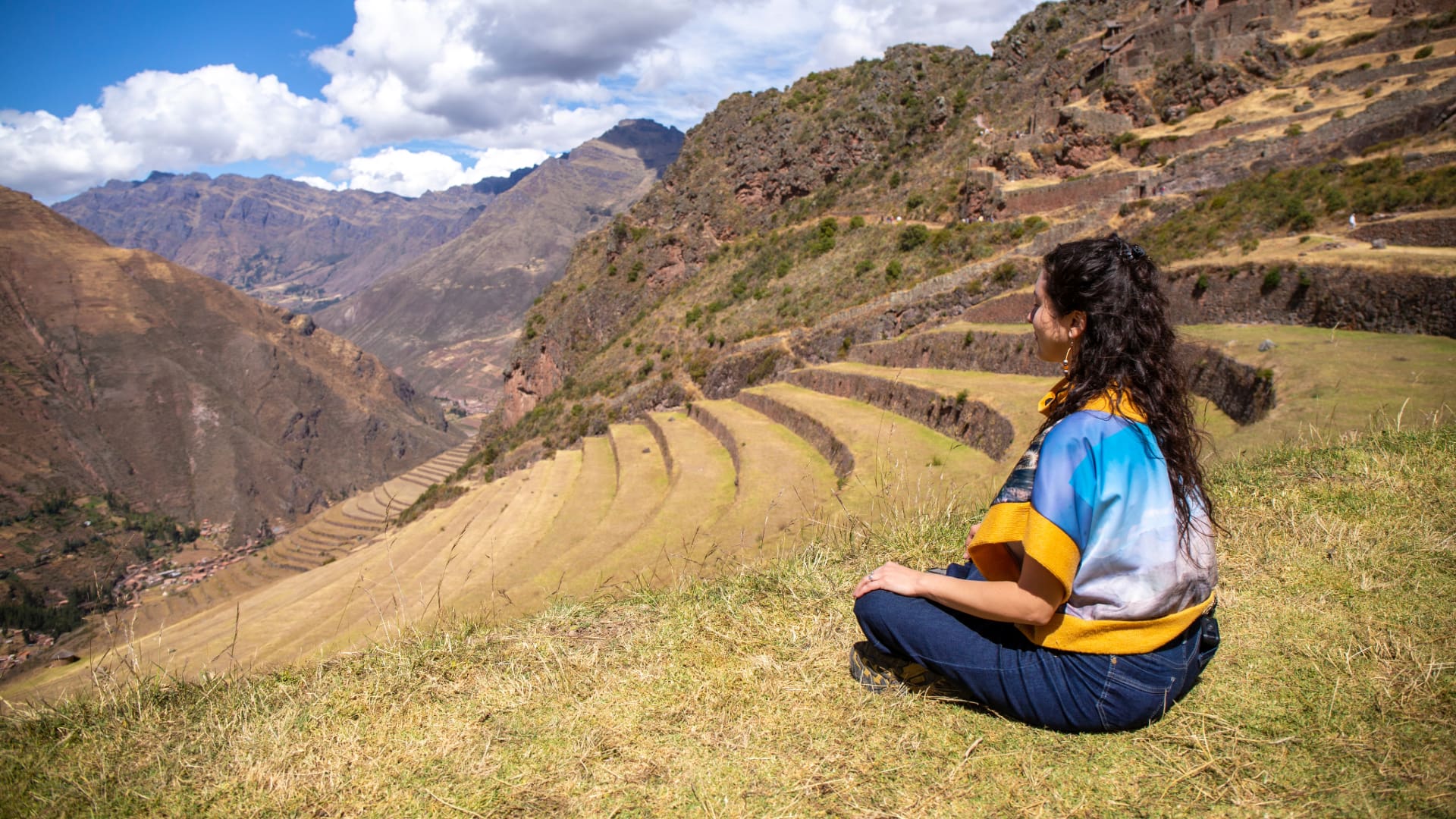
What to Pack for Sacred Valley Weather
Regardless of the season, smart packing makes a big difference:
- Light jacket or fleece (mornings & evenings)
- Breathable clothing for midday warmth
- Comfortable walking shoes
- Rain jacket or poncho (especially Nov–Apr)
- Sun protection: hat, sunglasses, sunscreen
Layering is the key strategy for Sacred Valley weather.
How Weather Affects Sacred Valley Tours
Weather conditions directly influence:
- Visibility at archaeological sites
- Comfort during walking tours
- Road conditions during heavy rain
During the dry season, full-day Sacred Valley tours operate with highly predictable schedules. In the rainy season, earlier departures and flexible itineraries help avoid afternoon showers.
Understanding these patterns allows travelers to plan smarter connections between the Sacred Valley and Machu Picchu.
Final Thoughts: Planning the Sacred Valley with Confidence
The Sacred Valley’s climate is part of its charm—fresh mornings, sunny days, and seasonal changes that shape its landscapes and culture. With realistic expectations and proper preparation, any season can offer a memorable experience.Understanding Sacred Valley weather allows travelers to choose the best travel dates, pack appropriately, and enjoy the region without stress.
Ready to Explore the Sacred Valley?
Planning your trip around weather conditions makes a real difference. A Cusco-based travel agency with daily experience operating Sacred Valley tours year-round can help you choose the best dates, routes, and itineraries based on real local conditions.
Explore Sacred Valley experiences with Magical Cusco Travel Agency
FAQs
Is the Sacred Valley warmer than Cusco?
Yes. Due to its lower altitude, the Sacred Valley is generally warmer and more comfortable during the day.
Does it rain every day during the rainy season?
No. Rain usually falls in short afternoon showers, not all day.
Can I visit the Sacred Valley in February?
Yes, but expect frequent rain and plan flexible schedules.
Is the Sacred Valley good for acclimatization?
Yes. Its lower altitude makes it an excellent place to acclimatize before visiting higher areas like Cusco city.
Does weather affect train travel to Machu Picchu?
Train services operate year-round, but heavy rain may occasionally cause delays during peak rainy months.
Karen Pamela Riveros Rojas
