
Why the Sacred Valley Matters More Than Most Travelers Expect
The Sacred Valley of the Incas is one of the most historically and culturally significant regions in Peru. Located between Cusco and Machu Picchu, this valley was far more than a passageway—it was a strategic, agricultural, spiritual, and political core of the Inca Empire.
Unlike Machu Picchu, which represents a single ceremonial site, the Sacred Valley is a living cultural landscape. Here, monumental Inca architecture, fertile agricultural terraces, colonial towns, and modern Andean communities coexist in daily life.
This 2026 Sacred Valley Peru travel guide is designed to help travelers understand what the Sacred Valley truly is, why it played such a central role in Inca civilization, what places are worth visiting, and how to experience the region properly—based on real on-the-ground travel conditions and local expertise, not generic advice.
Many travelers explore this region through Sacred Valley tours from Cusco, which allow them to visit multiple archaeological sites efficiently while understanding their historical context.
What Is the Sacred Valley and Why Was It So Important?
The Sacred Valley extends along the Urubamba River, descending from the high-altitude city of Cusco toward the subtropical zone near Machu Picchu. Its unique geography created ideal conditions for agriculture, settlement, and spiritual observation.
For the Incas, the valley was considered sacred for several reasons:
- Exceptionally fertile lands that supported large-scale agriculture
- Strategic control of routes connecting Cusco with Machu Picchu and the Amazon basin
- Ceremonial and astronomical significance, linked to Inca cosmology
- Administrative centers that remain inhabited to this day
Rather than being an isolated attraction, the Sacred Valley functioned as an integrated system of towns, terraces, temples, and roads—many of which travelers can still explore today.
Top Places to Visit in the Sacred Valley
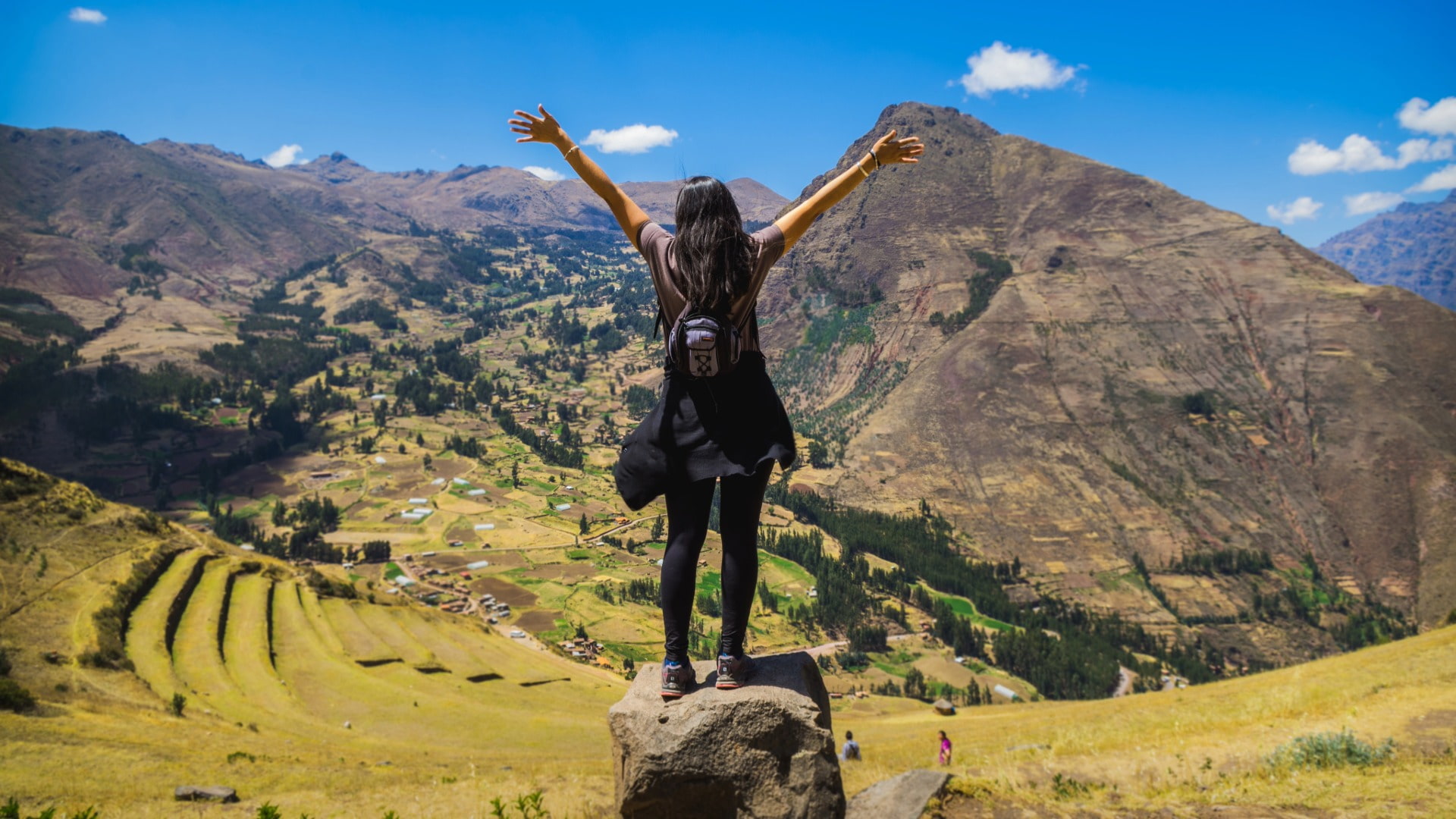
Pisac Archaeological Site & Traditional Market
Pisac is one of the most impressive examples of Inca agricultural engineering in the valley. Its vast terraces, ceremonial structures, and defensive walls offer sweeping views over the Urubamba River.
Below the ruins, the town of Pisac hosts a traditional Andean market, where local families sell textiles, ceramics, silver jewelry, and agricultural products. This combination of archaeology and living culture makes Pisac an essential stop.
Ollantaytambo: The Living Inca City
Ollantaytambo is one of the best-preserved Inca towns in South America and remains inhabited following its original urban layout. It served as a military stronghold, religious center, and agricultural hub.
Key highlights include:
- The Temple of the Sun
- Monumental stone terraces
- Original Inca streets still used daily
Today, Ollantaytambo is also the main gateway to Machu Picchu, as most trains depart from here—making it both a historical site and a logistical hub.

Moray: The Inca Agricultural Laboratory
Moray consists of massive circular terraces believed to have been used for agricultural experimentation. Each level creates a distinct microclimate, allowing the Incas to test crop adaptation at different temperatures.
This site reveals the Incas’ advanced understanding of environmental science, biology, and climate control, far beyond what most visitors expect.
Maras Salt Mines (Salineras de Maras)
The Maras Salt Mines are composed of thousands of small evaporation pools fed by a natural saltwater spring. Salt has been harvested here since pre-Inca times, and the system remains in use today.
Local families continue to manage the salt pans, making Maras a rare example of living ancestral industry rather than a purely archaeological site.
Chinchero: Textile Traditions & Colonial Heritage
Chinchero combines Inca foundations, a colonial church built atop ancient stonework, and some of the most well-preserved textile traditions in the Andes.
Visitors can observe weaving demonstrations, learn about natural dyes, and understand how textile patterns communicate identity, history, and social status within Andean culture.
Best Things to Do in the Sacred Valley
Beyond individual sites, the Sacred Valley offers a range of immersive experiences:
- Explore archaeological sites with a knowledgeable local guide
- Visit traditional Andean markets and villages
- Learn ancestral textile techniques and natural dyeing
- Enjoy panoramic landscapes ideal for photography
- Combine cultural visits with local food experiences
For many travelers, the Sacred Valley provides a deeper and more human connection to Inca culture than a rushed visit to Machu Picchu alone.
Sacred Valley Day Trip vs. Multi-Day Experience
Sacred Valley Full Day Tour
A full-day tour from Cusco typically includes Pisac, Ollantaytambo, and Chinchero. This option works well for travelers with limited time, but it requires a faster pace.
Sacred Valley + Machu Picchu Connection (2 Days)
This itinerary allows travelers to explore the Sacred Valley on Day 1 and continue directly to Machu Picchu by train from Ollantaytambo. It is ideal for those who want a smoother, less rushed experience.
If you plan to visit Machu Picchu, exploring the Sacred Valley first adds essential historical and cultural context.
How to Visit the Sacred Valley Properly
Transportation Options
- Private tour – best for flexibility, pacing, and deeper explanations
- Shared group tour – cost-effective and well-organized
- Public transportation – recommended only for experienced travelers
Private tours allow travelers to adapt schedules, avoid peak crowds, and spend more time at key sites.
Best Time to Visit the Sacred Valley.
- Dry season (April–October): Clear skies, best conditions
- Rainy season (November–March): Fewer crowds, greener landscapes
- Sacred Valley weather guide
May, June, and September offer the best balance between weather and visitor numbers.
Local Tips from Cusco-Based Guides.
- Spend at least one night in the Sacred Valley for better acclimatization
- Visit Ollantaytambo early or late to avoid crowds
- Always carry sun protection—even on cloudy days
- Respect local communities and ask before taking photos
Final Thoughts: Why the Sacred Valley Is Essential to Understanding Peru
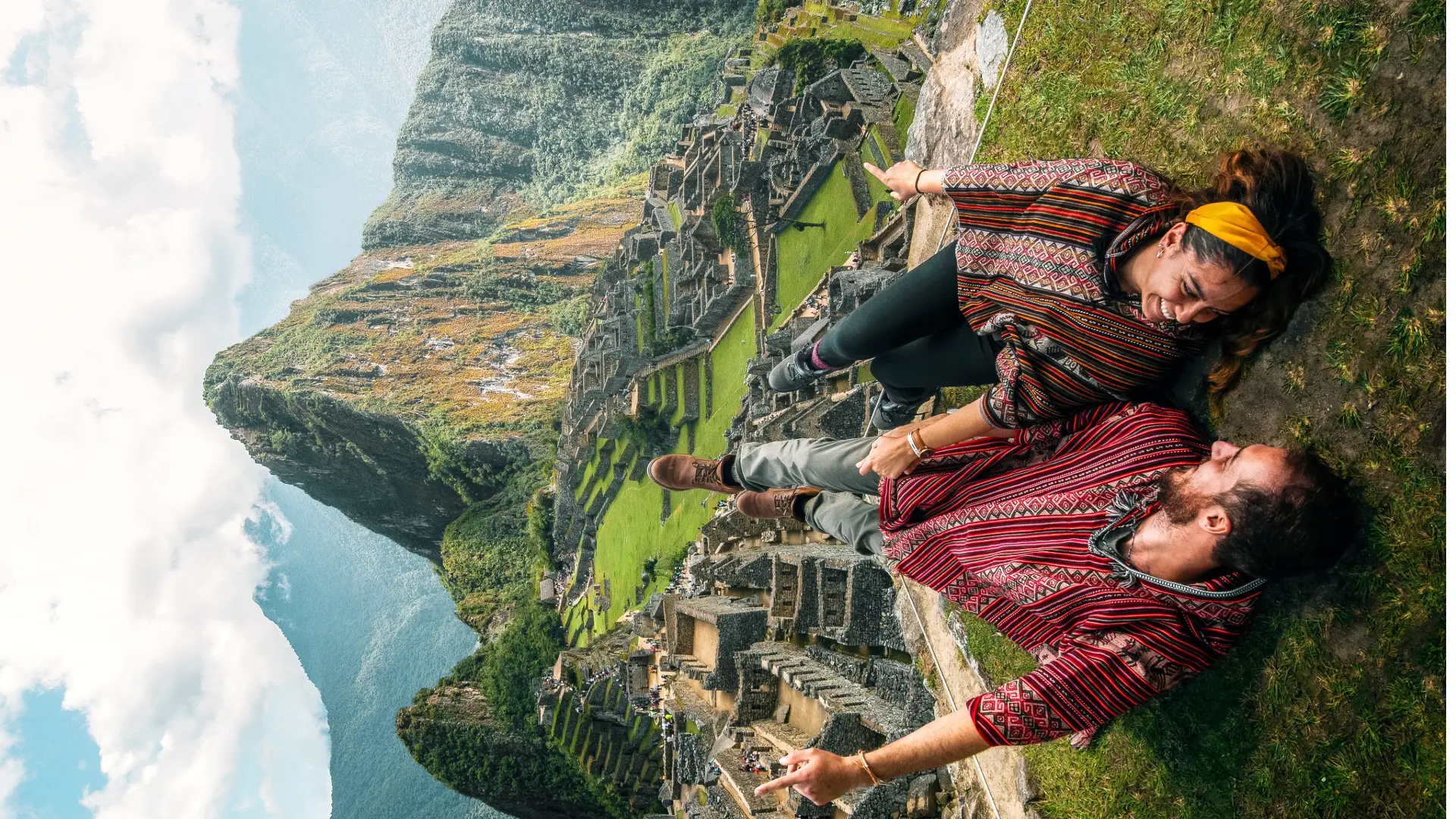
The Sacred Valley is not simply a stop between Cusco and Machu Picchu—it is the heart of Inca civilization. Understanding this region transforms how travelers perceive Machu Picchu and the Andes as a whole.
For those seeking authentic culture, layered history, and meaningful landscapes, the Sacred Valley deserves time, context, and thoughtful planning.
Explore our Sacred Valley tour options with a local Cusco-based agency and plan your trip with real on-the-ground experience.
FAQs
What is the Sacred Valley in Peru?
The Sacred Valley is a region near Cusco that was a major agricultural, political, and spiritual center of the Inca Empire. It includes sites such as Pisac, Ollantaytambo, Moray, Maras, and Chinchero.
Is the Sacred Valley worth visiting before Machu Picchu?
Yes. Visiting the Sacred Valley first helps travelers acclimatize to altitude and understand Inca culture before arriving at Machu Picchu.
How many days do you need for the Sacred Valley?
One full day is enough for the highlights, but 2 days allow a deeper and less rushed experience, especially if connecting to Machu Picchu.
What are the best things to do in the Sacred Valley?
Explore Inca ruins, visit traditional markets, learn textile techniques, enjoy Andean landscapes, and experience local communities.
What is the best time to visit the Sacred Valley?
The best months are May to September during the dry season, when weather is stable and visibility is excellent.
Can you visit the Sacred Valley without a tour?
Yes, but tours are recommended for better logistics, historical context, and time management—especially for first-time visitors.
Is the Sacred Valley warmer than Cusco?
Yes. Due to its lower altitude, the Sacred Valley is generally warmer and more comfortable during the day than Cusco city.
Karen Pamela Riveros Rojas
