
Understanding the Route from Cusco to Humantay Lake
The route from Cusco to Humantay Lake is not just a transfer; rather, it is a gradual transition through Andean environments. As you leave the city, the landscape shifts from urban areas to agricultural valleys and, eventually, to high-altitude terrain.
Because of this progression, your body and perception adapt step by step. If you want a full overview of logistics, you can explore the complete guide to Humantay Lake.
Limatambo: Valley Life, Agriculture, and Early Transition
Limatambo, at around 2,400 meters above sea level, marks one of the first noticeable changes along the route. At this stage, the climate is milder and the landscape is dominated by fertile valleys and agriculture.
In fact, Limatambo is recognized for its production of palta fuerte (avocado), one of the most valued varieties in the region. This agricultural identity reflects how local communities adapt to the terrain and climate.
In addition, nearby sites such as Tarawasi reveal the historical depth of the area, connecting the present landscape with pre-Inca and Inca occupation.
As a result, Limatambo is not just a stop; it is an introduction to the Andean world that prepares you for what comes next.
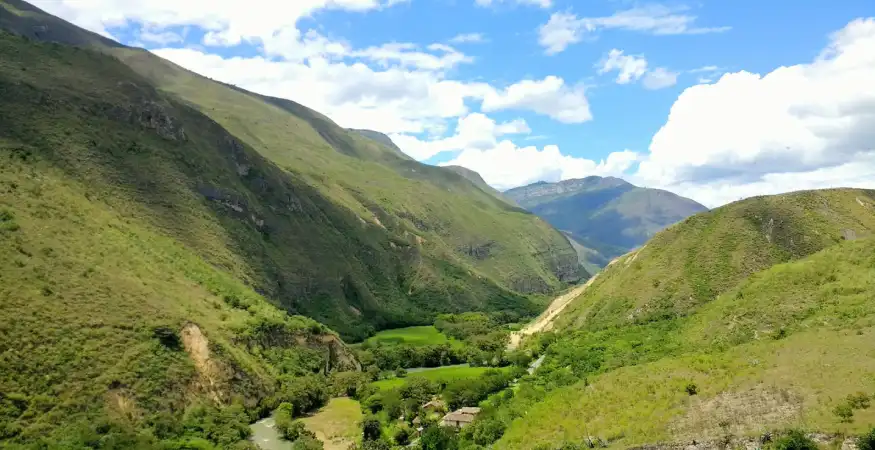
Mollepata: Operational Hub Before the Ascent
As the journey continues, you reach Mollepata, a key logistical point on the route. Here, most one-day tours to Humantay Lake stop for breakfast and later lunch.
Therefore, Mollepata functions as an operational hub where travelers rest, hydrate, and prepare before entering higher altitudes. This pause is not random; it helps improve your physical readiness for the next stage.
Moreover, the environment begins to feel closer to the mountains, signaling that the transition is advancing.
Soraypampa: Gateway to High Altitude and Trekking Routes
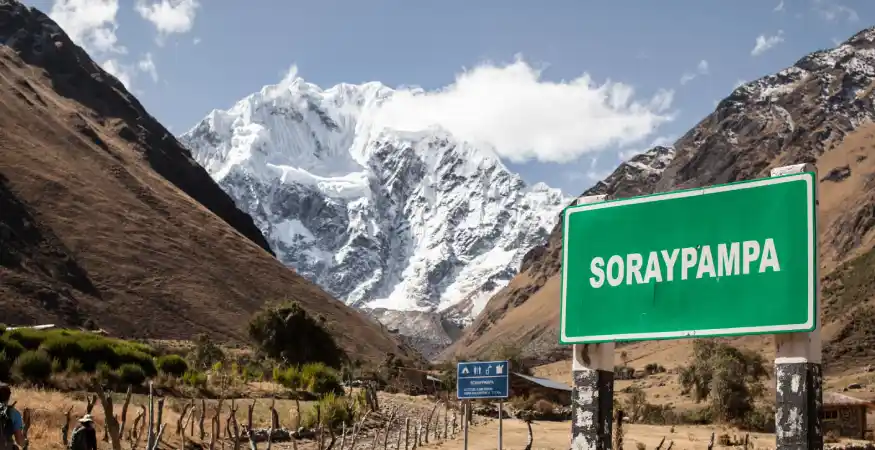
Soraypampa, located above 3,800 meters, is where the experience changes completely. At this point, altitude becomes a real factor, and even simple movements require more effort.
Importantly, Soraypampa is known as the starting point of both the Humantay Lake hike and the Salkantay Trek. This makes it one of the most significant locations along the route.
Because of the altitude, preparation becomes essential. If you want to understand how this stage feels, you can explore what to expect at Humantay Lake.
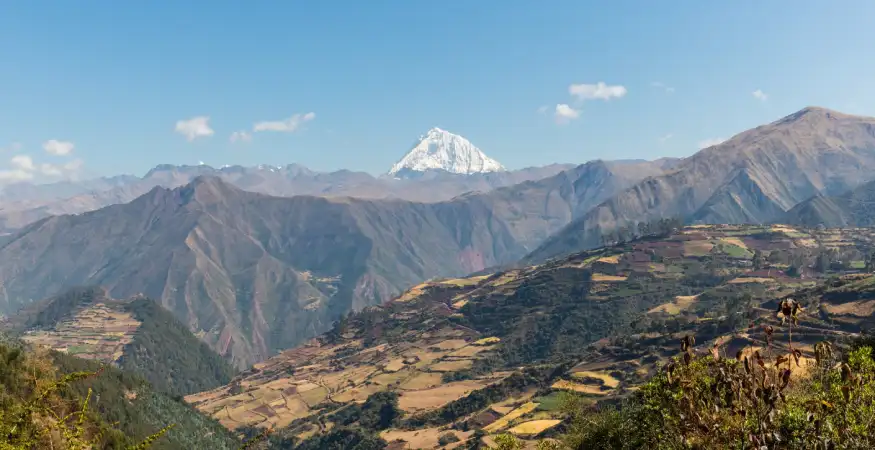
Gradual Acclimatization Through the Route
One of the most important aspects of this journey is how the route supports acclimatization.
First, you pass through Limatambo at lower altitude.
Then, you move into Mollepata, where the environment begins to change.
Finally, you reach Soraypampa, where altitude becomes challenging.
This sequence allows your body to adapt progressively, reducing the impact of altitude during the hike.
For a better experience, reviewing these practical tips for visiting Humantay Lake can help you prepare correctly.
Why Understanding the Route Changes Your Experience
Most travelers focus only on the destination. However, those who understand the route experience the journey differently.
Instead of seeing isolated stops, they recognize a continuous transition:
- Limatambo introduces the valley
- Mollepata prepares the body
- Soraypampa begins the challenge
Together, these stages define the full Humantay Lake experience.
Understanding the Cusco to Humantay Lake route allows you to experience the journey with more clarity and confidence.
If you prefer a well-organized trip with the right stops, timing, and local guidance, you can explore our Humantay Lake tour from Cusco and focus entirely on enjoying the Andes.
FAQs
1. What is the route from Cusco to Humantay Lake?
The route from Cusco to Humantay Lake includes Limatambo, Mollepata, and Soraypampa. As a result, travelers experience a gradual transition from valleys to high-altitude terrain.
2. Why is Limatambo important on the way to Humantay Lake?
Limatambo offers agricultural and historical context. In fact, it is known for avocado production and nearby Inca sites, which enrich the journey before reaching higher elevations.
3. Why do tours stop in Mollepata?
Most tours stop in Mollepata for breakfast and lunch. Therefore, travelers can rest, hydrate, and prepare before continuing to higher altitudes.
4. Where does the Humantay Lake hike start?
The hike begins in Soraypampa. At this point, altitude becomes more noticeable, and the physical challenge increases.
5. Is the route important for acclimatization?
Yes, the route helps your body adapt progressively. First, you pass through lower altitudes, and then, you gradually reach higher elevations.
Karen Pamela Riveros Rojas
