
The rainy season in Machu Picchu brings noticeable changes to the surrounding mountains, vegetation, and atmospheric conditions. As rainfall becomes more frequent, the cloud forest landscape develops a deeper green appearance, while mist and passing clouds become familiar features around the archaeological site.
Unlike destinations with predictable daily weather, Machu Picchu experiences changing conditions influenced by its mountainous terrain and humid environment. Rain showers may alternate with cloudy periods and temporary breaks in the clouds. Consequently, visitors can encounter different views of the Inca citadel throughout the same day.
Understanding the rainy season involves more than knowing when precipitation increases. The region’s geography, vegetation, and local atmospheric conditions all contribute to the distinctive environment surrounding Machu Picchu.
In this guide, we examine when the rainy season generally occurs, how rainfall patterns change throughout these months, and why the surrounding cloud forest develops its characteristic appearance during this period.
Quick Answer: The rainy season in Machu Picchu generally extends from November through March, with April often marking a transition toward drier conditions. During these months, rainfall becomes more frequent, atmospheric moisture increases, and clouds or mist can influence visibility around the archaeological site. However, rain does not necessarily continue throughout the entire day.
When Is the Rainy Season in Machu Picchu?
The rainy season in Machu Picchu generally extends from November through March, although April often marks a gradual transition toward drier conditions. Rather than changing suddenly on a specific date, rainfall patterns evolve progressively across the surrounding mountains and the Urubamba Valley.
November and December: Rainfall Gradually Returns
November marks the beginning of the wetter period after the central dry-season months. Rain showers generally become more frequent, although sunny intervals and temporary breaks in cloud cover can still occur.
By December, rainfall becomes a more noticeable feature of the local environment. The surrounding vegetation receives more moisture, while clouds and mist may influence visibility across the archaeological site and nearby mountains.
January and February: The Wettest Part of the Season
January and February generally experience frequent rainfall in the Machu Picchu region. These months form an important part of the rainy season, with increased precipitation and changing atmospheric conditions.
However, their individual weather patterns deserve a more detailed explanation. For specific information about rainfall, temperatures, and travel conditions during these months, read our guide to Machu Picchu weather in January and February.
March: A Gradual Change in Rainfall Patterns
March generally marks a gradual reduction in rainfall compared with the wetter part of the season. Nevertheless, showers and humid conditions can remain common, and the surrounding vegetation continues to reflect the effects of previous rainfall.
Cloud formations may still change visibility around the archaeological complex, while the landscape retains much of its green appearance.
April: Transition Toward the Drier Months
April represents a transitional period between the rainy and dry seasons. Rainfall generally becomes less frequent, although occasional showers remain possible.
The landscape often retains its lush vegetation from the preceding wetter months. At the same time, changing atmospheric conditions signal the gradual arrival of the drier period.
These monthly descriptions represent general seasonal tendencies rather than fixed weather conditions. Actual rainfall and cloud cover can vary between years.
Rainfall Patterns Throughout the Rainy Season
Rainfall in Machu Picchu varies throughout the rainy season. Although precipitation becomes more frequent between November and March, its intensity, duration, and timing can change from one day to another.
The mountainous geography surrounding the archaeological site also contributes to local variations. Different sections of the Urubamba Valley and nearby slopes can experience changing cloud cover and rainfall conditions, meaning that weather observations in one location do not always represent conditions across the entire region.
Rainfall Does Not Occur Continuously Throughout the Day
One important characteristic of the rainy season is the irregular distribution of rainfall. Some days bring brief showers followed by periods of reduced cloud cover, while others experience longer periods of precipitation.
Consequently, a cloudy morning does not necessarily mean that rain will continue throughout the afternoon. Similarly, a relatively clear start to the day does not guarantee that conditions will remain dry.
Changes in Rainfall Intensity
Rainfall can range from light showers to more persistent precipitation. These variations influence how much moisture accumulates on vegetation, stone surfaces, and mountain slopes surrounding the archaeological complex.
However, the intensity of rainfall cannot be predicted simply from the calendar month. Local atmospheric conditions and changing weather systems influence the conditions experienced on each day.
How Geography Influences Local Rainfall
Machu Picchu lies within a mountainous environment characterized by steep slopes, deep valleys, and dense vegetation. These geographical features interact with moisture from the eastern slopes of the Andes and influence cloud formation around the region.
As a result, rainfall and cloud cover can vary across relatively short distances. This helps explain why conditions in Cusco, Ollantaytambo, and Machu Picchu may differ even on the same day.
Understanding these rainfall patterns provides a more realistic picture of the rainy season. Rather than expecting continuous precipitation, travelers should anticipate changing conditions and recognize that the weather can evolve throughout their visit.
What Is the Weather Like During the Rainy Season?
The rainy season in Machu Picchu is characterized by increased atmospheric moisture, frequent cloud formation, and changing weather conditions. These elements influence the environment around the archaeological complex and contribute to the distinctive atmosphere of the surrounding cloud forest.
Unlike the dry season, when rainfall generally becomes less frequent, the wetter months bring more persistent moisture to the landscape. However, temperature, cloud cover, and visibility can still vary throughout the day.
Humidity and Moisture in the Cloud Forest
Machu Picchu is surrounded by dense vegetation and mountainous terrain, where atmospheric moisture plays an important role in the local environment. During the rainy season, vegetation, stone surfaces, and walking paths can remain damp after precipitation.
This moisture also contributes to the characteristic appearance of the cloud forest, where clouds and mist frequently interact with the surrounding mountain slopes.
Cloud Cover and Changing Atmospheric Conditions
Cloud formation is an important feature of the rainy season. Clouds may move across the mountains and temporarily cover parts of the archaeological complex, changing the visibility of the surrounding landscape.
At times, breaks in the cloud cover allow sunlight to reach the terraces and nearby peaks. However, these conditions are variable, and panoramic views cannot be guaranteed during a visit.
Temperature Changes Throughout the Day
Temperature conditions can vary between mornings, afternoons, and evenings. Early mornings may feel cool, while periods of stronger sunlight can make exposed areas feel warmer.
The combination of moisture, cloud cover, and changing sunlight influences how visitors experience the environment. Wearing lightweight layers and preparing for rain can therefore be more practical than relying on a single type of clothing.
Machu Picchu and Cusco Have Different Weather Conditions
Machu Picchu and Cusco are located in different geographical environments. The archaeological site sits at approximately 2,430 meters above sea level, while Cusco is located at approximately 3,400 meters.
Consequently, weather conditions in Cusco do not necessarily reflect what visitors will encounter at Machu Picchu. Even when the sky looks different in the city, the archaeological site may experience its own cloud cover, moisture, and rainfall patterns.
For a broader explanation of temperatures, seasonal changes, and annual climate characteristics, consult our complete guide to Machu Picchu weather.
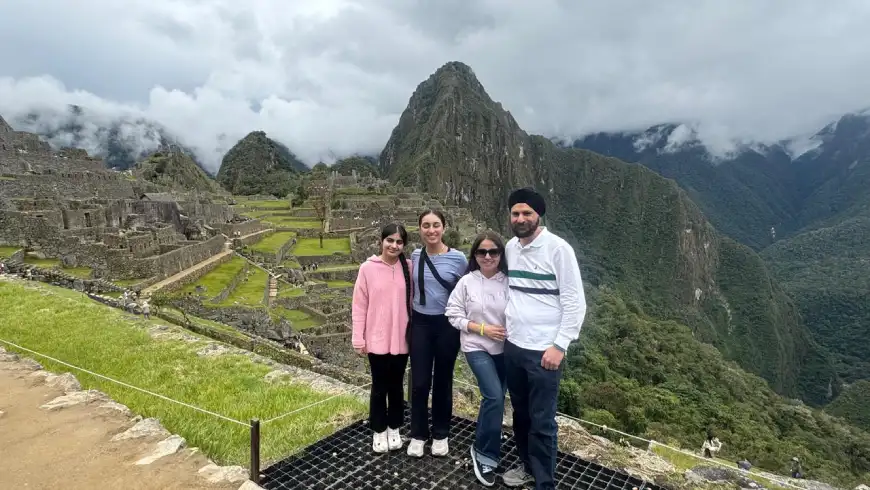
Morning Mist, Clouds and Visibility During the Rainy Season
Mist and low clouds are distinctive features of Machu Picchu during the rainy season. As moisture interacts with the surrounding mountainous terrain, clouds can form around the peaks and move through the Urubamba Valley, sometimes covering sections of the archaeological complex.
These changing conditions influence how visitors experience the landscape. At certain moments, the Inca citadel may appear partially hidden behind clouds, while temporary openings reveal its terraces, stone structures, and surrounding mountains.
Why Does Mist Form Around Machu Picchu?
Machu Picchu lies within a mountainous cloud forest environment where moisture, elevation, vegetation, and terrain interact. During the rainy season, increased atmospheric moisture contributes to cloud formation around the surrounding slopes and valleys.
As clouds move through this landscape, they can create layers of mist around the archaeological site. The density and duration of these conditions vary according to local weather patterns.
How Does Mist Affect Visibility?
Visibility can change considerably during a visit. At times, clouds may partially obscure Huayna Picchu, the surrounding mountain ridges, or sections of the archaeological complex.
However, these conditions are not necessarily permanent. Moving clouds can reveal different parts of the landscape, creating changing perspectives of the Inca architecture and natural surroundings.
Visitors should therefore avoid assuming that a cloudy arrival means the entire visit will remain foggy. Equally, clear conditions at the beginning of the journey do not guarantee uninterrupted panoramic views.
A Different Perspective of the Inca Citadel
The combination of ancient stone architecture, green vegetation, and moving clouds gives Machu Picchu a distinctive appearance during the rainy season.
Rather than presenting a single panoramic view, the landscape can reveal different details as visibility changes. Mist may partially cover the terraces before gradually exposing the surrounding mountains and archaeological structures.
These atmospheric conditions form part of the natural character of Machu Picchu and help explain why the landscape can look different from one moment to another.
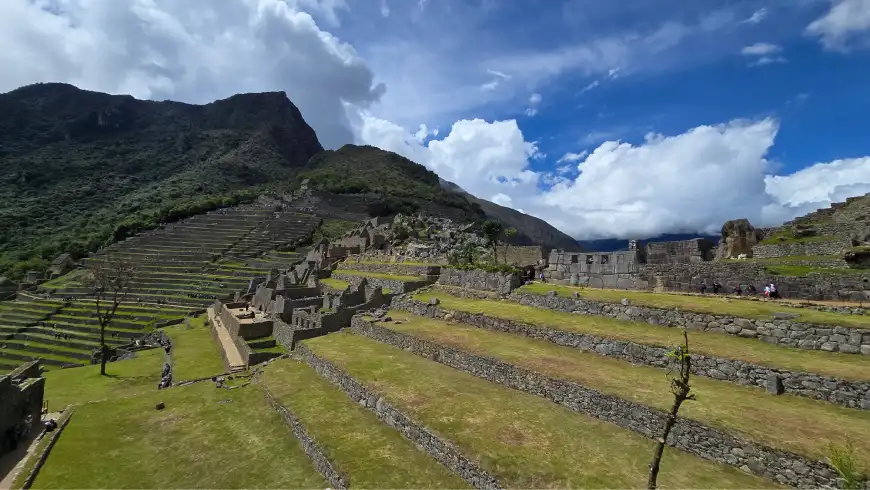
The Urubamba Valley and Machu Picchu’s Microclimate
Machu Picchu is located in a mountainous section of the Urubamba River Valley, where steep slopes, deep valleys, and dense vegetation create a distinctive natural environment. Its geographical position influences local atmospheric conditions and helps explain why its weather differs from other destinations in the Cusco region.
During the rainy season, these geographical characteristics interact with increased moisture, contributing to cloud formation, changing visibility, and the humid conditions surrounding the archaeological complex.
The Influence of the Urubamba River Valley
The Urubamba River flows through a deep valley beneath the archaeological site, following a winding course between steep mountain slopes. This terrain forms part of the transition between the Andean highlands and the eastern cloud forest.
The surrounding mountains influence how air moves through the valley, while vegetation and elevation contribute to the area’s humid environment. During wetter months, these conditions accompany the changing cloud formations and rainfall experienced around Machu Picchu.
Why Machu Picchu Has a Different Climate from Cusco
Although Machu Picchu and Cusco belong to the same wider region, their geographical settings are considerably different.
Cusco lies in the Andean highlands, while Machu Picchu occupies a lower, more humid mountainous environment closer to the eastern slopes of the Andes. This difference in elevation and landscape influences local temperature, vegetation, moisture, and cloud formation.
Consequently, travelers should not assume that weather conditions in Cusco accurately represent those at Machu Picchu. The two destinations can experience different atmospheric conditions on the same day.
The Cloud Forest Environment
The surroundings of Machu Picchu form part of a transition between Andean mountain ecosystems and humid cloud forest environments. This combination supports dense vegetation and contributes to the distinctive natural scenery around the archaeological complex.
During the rainy season, increased moisture reinforces the lush appearance of the vegetation and contributes to the atmospheric conditions associated with the region.
Understanding this geographical setting helps explain why Machu Picchu experiences its own local weather patterns rather than simply following the conditions observed in Cusco or other parts of the Sacred Valley.
How Does the Rainy Season Transform the Landscape Around Machu Picchu?
The rainy season brings visible changes to the landscape surrounding Machu Picchu. As precipitation becomes more frequent, vegetation receives additional moisture, mountain slopes develop a greener appearance, and seasonal streams can become more noticeable throughout the valley.
These changes create a distinctive contrast between the ancient stone architecture and the surrounding cloud forest environment.
Greener Vegetation Across the Mountain Slopes
Rainfall contributes to the growth and maintenance of vegetation across the mountains surrounding Machu Picchu. During the wetter months, plants and forested slopes often display more intense green tones, creating a lush setting around the archaeological complex.
This vegetation forms part of the natural environment that surrounds the Inca citadel. It also highlights the relationship between the archaeological structures and the mountainous landscape in which the Incas established their settlement.
The Agricultural Terraces and Their Natural Setting
One of the most recognizable features of Machu Picchu is its system of agricultural terraces. These structures follow the contours of the mountain and demonstrate how Inca builders adapted cultivated spaces to steep terrain.
During the rainy season, vegetation around the terraces can become particularly vibrant. The contrast between green slopes, carefully constructed stone walls, and ancient buildings creates a distinctive visual character.
The terraces also reveal an important aspect of Inca engineering. Their construction reflects the adaptation of agricultural spaces to the mountain environment, rather than simply occupying flat land.
Water and Seasonal Changes Across the Landscape
Periods of increased rainfall can make streams and small waterfalls along the surrounding slopes more noticeable. Water moves through the mountainous environment, contributing to the changing appearance of the valley and its vegetation
The Urubamba River also forms an important part of this setting. Its winding course beneath the archaeological complex emphasizes the relationship between Machu Picchu and the surrounding mountainous landscape.
A Different Visual Experience of Machu Picchu
The combination of green vegetation, ancient stone structures, moving clouds, and seasonal water gives Machu Picchu a distinctive appearance during the rainy season.
These elements can change throughout the visit depending on recent rainfall and atmospheric conditions. Therefore, the landscape does not necessarily look identical every day, making the natural environment an important part of the experience.
How Does Rain Affect Trails and Walking Conditions in Machu Picchu?
Rainfall can change walking conditions around Machu Picchu, particularly on stone stairways, uneven pathways, and sections exposed to moisture. During the rainy season, water can accumulate on these surfaces, making some areas slippery and requiring visitors to pay closer attention to their footing.
The effects depend on the amount of recent rainfall, the characteristics of each route, and the condition of the walking surfaces.
Stone Stairways and Archaeological Circuits
The archaeological complex contains original Inca stone stairways, terraces, and pathways adapted to the mountain terrain. After rainfall, some sections can become slippery, especially where moisture remains on shaded or uneven surfaces.
Visitors should walk carefully, wear comfortable footwear with good traction, and follow their assigned visitor circuit. Rushing through steep sections can increase the risk of slipping and may also interfere with the orderly movement of visitors.
Huayna Picchu and Machu Picchu Mountain
Additional mountain hikes require particular attention during the rainy season. Routes such as Huayna Picchu and Machu Picchu Mountain include steep sections, uneven steps, and considerable elevation changes.
When surfaces become wet, these characteristics can make the hikes more demanding. Travelers should consider their physical condition, footwear, and the weather conditions before undertaking either route.
Entrance authorization, available schedules, and current operating conditions should also be checked before making arrangements.
The Inca Trail and Other Trekking Routes
Multi-day trekking routes around Machu Picchu involve different conditions from the regular archaeological visit. Rainfall can affect trail surfaces, muddy sections, and the overall difficulty of walking through mountainous terrain.
The official Inca Trail network also has a scheduled annual closure in February for maintenance and conservation work. This closure applies to the trekking route, not automatically to the Machu Picchu archaeological site.
Travelers planning a trekking experience should verify current route regulations and operating notices before departure.
How to Prepare for Wet Walking Surfaces
Appropriate footwear and careful movement are important when exploring Machu Picchu during the rainy season. Choose shoes that provide reliable grip and have already been tested before your trip. Avoid footwear with smooth soles or designs that become uncomfortable when wet.
For a complete guide to footwear, waterproof clothing, and other personal essentials, see our Machu Picchu packing checklist.
Ultimately, rainfall does not make every route inaccessible, but it can change walking conditions and increase the importance of preparation. Always follow official access instructions and respect temporary restrictions established for visitor safety.
Practical Considerations for Visiting Machu Picchu During the Rainy Season
Rainy-season conditions require a little more attention when organizing your visit to Machu Picchu. Although rainfall does not follow a fixed daily schedule, travelers should prepare for changing weather and allow enough flexibility in their itinerary.
- Check official information before your visit. Entrance circuits, access conditions, and the availability of trekking routes may be subject to operational updates. Therefore, review the latest information from the relevant authorities before traveling, especially if your itinerary includes additional hikes.
- Allow enough time for your travel connections. Reaching Machu Picchu from Cusco involves coordinating different stages of the journey. During the rainy season, avoid planning unnecessarily tight connections. Instead, confirm your departure times and transportation arrangements in advance.
- Follow local instructions at the archaeological site. Wet stone surfaces can require greater care when walking. Respect designated paths, follow staff instructions, and avoid areas that authorities have temporarily restricted.
If you prefer to organize the journey with professional assistance, you can explore our Machu Picchu 1 Day Group Tour from Cusco or consider a more personalized experience through our Private Machu Picchu Full-Day Tour.
Final Thoughts: Understanding the Machu Picchu Rainy Season
The Machu Picchu rainy season brings changing weather conditions, frequent rainfall, humid air, and cloud formations that influence the surrounding landscape. From November to March, visitors can experience a greener environment, morning mist, and periods of rain that vary in intensity throughout the day.
Understanding these seasonal patterns helps travelers prepare for the conditions they may encounter at the archaeological site. However, weather is only one part of the decision. Your travel dates, itinerary, preferred activities, and expectations also matter.
If you are still deciding whether to travel during these months, read our detailed guide: Is It Worth Visiting Machu Picchu During the Rainy Season?. It explores the advantages and limitations of visiting during this period.
Once you have chosen your travel dates, you can organize your experience with Magical Cusco Travel Agency. Explore our Machu Picchu 1 Day Group Tour from Cusco or choose our Private Machu Picchu Full-Day Tour for a more personalized journey.
Discover Machu Picchu with a travel plan that considers the season, your schedule, and the experience you want to enjoy.
FAQs
Does it rain every day during the rainy season in Machu Picchu?
Rainfall becomes more frequent during the rainy season, but it does not necessarily rain continuously throughout the day. Weather conditions can change, with periods of cloud cover, mist, light rain, or heavier showers. The timing and intensity of rainfall also vary from one day to another.
Is Machu Picchu covered by clouds during the rainy season?
Clouds and mist are common during this period because of the humidity and the surrounding cloud forest environment. They can temporarily cover parts of the archaeological site and nearby mountains. However, cloud cover can change throughout the day, so visibility may vary during a visit.
Why does Machu Picchu have a different climate from Cusco?
Machu Picchu sits at a lower elevation than Cusco and lies within a humid cloud forest environment. Its location between the Andes and the Amazon basin creates different atmospheric conditions, including greater humidity and more frequent cloud formation. Consequently, visitors may experience different temperatures and rainfall patterns in both destinations on the same day.
Does the rainy season change the appearance of Machu Picchu?
Yes. Rainfall supports the growth of vegetation around the archaeological site, giving the surrounding mountains and terraces a greener appearance. It also increases the presence of mist and clouds, creating a landscape that can look noticeably different from the drier months.
Is the Inca Trail open throughout the rainy season?
No. The Inca Trail network generally undergoes an annual maintenance closure in February. This closure applies to the trekking route and should not be confused with the operation of the Machu Picchu archaeological site itself. Travelers planning an Inca Trail trek should check the official announcement for their travel year.
Are the walking paths at Machu Picchu affected by rain?
Rain can leave stone steps and walking surfaces wet, which may make some sections more slippery. Visitors should walk carefully, follow the designated routes, and respect any temporary restrictions established by site authorities.
Where can I learn more about Machu Picchu weather throughout the year?
Our Machu Picchu Weather guide explains the destination’s climate, seasonal patterns, temperatures, and rainfall throughout the year. For a closer look at the first months of the year, read our guide to Machu Picchu weather in January and February.
Karen Pamela Riveros Rojas
