
Introduction: Why Your Ticket Choice Defines Your Entire Experience
Choosing between Machu Picchu ticket options is not a minor administrative step. It is the single decision that shapes your entire experience inside the citadel.
Since the Ministry of Culture reorganized access, Machu Picchu no longer functions as an open archaeological park. It operates under a regulated circuit system where each ticket grants access to a specific route, within a specific time window, following a predefined flow pattern. You cannot improvise once inside. You cannot switch circuits. You cannot retrace your steps.
Your selection determines:
• Whether you access the classic Guardian House panoramic viewpoint
• Which temples and residential sectors you will see
• How many stairs you will climb
• How physically demanding the visit will feel
• How long you may remain inside the archaeological complex
While our main Machu Picchu Tickets guide explains capacity limits and regulations, this article addresses something more strategic: how to select the ticket that truly aligns with your travel goals, physical capacity, photography expectations, and seasonal timing.
Understanding this before booking trains or flights eliminates logistical friction and prevents one of the most common regrets travelers experience upon arrival.
The Three Official Circuits: Structural Differences That Actually Matter
Machu Picchu is divided into three official circuits designed to preserve fragile sectors and control visitor density. Each ticket automatically assigns you to one circuit and one specific route within it.
The difference between circuits is not cosmetic. It is structural.
Circuit 1 – The Panoramic Experience
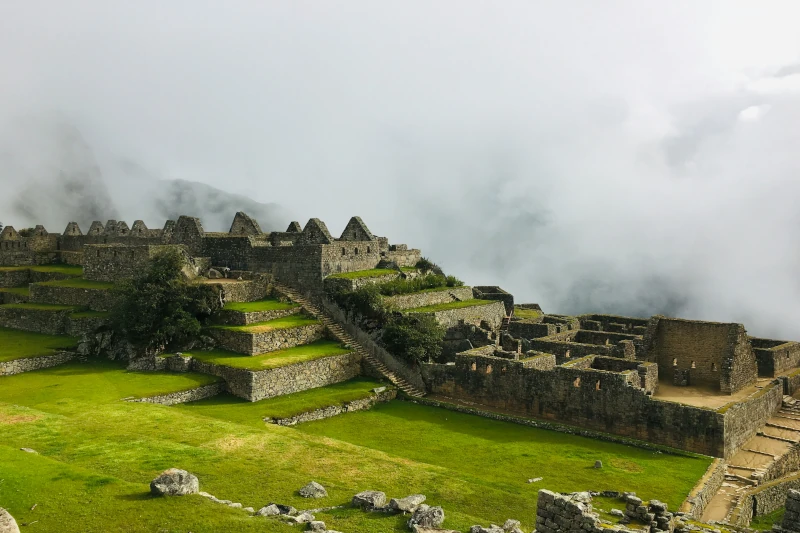
Circuit 1 prioritizes elevation and scenic dominance. It follows the upper agricultural terraces and leads to the area near the Guardian House, where the iconic postcard image of Machu Picchu is captured.
This is the circuit most closely associated with wide-angle photography.
However, Circuit 1 does not offer the deepest immersion into the central ceremonial core. You observe the citadel from above rather than walking through its most intricate urban structures.
Within Circuit 1 you find:
Route 1A – Machu Picchu Mountain
Route 1B – Upper Terrace Classic Photo
Route 1C – Inti Punku (Sun Gate)
Route 1D – Inca Bridge
Route 1A involves a sustained mountain ascent reaching higher elevation than Huayna Picchu. Route 1B focuses on the panoramic platform. Routes 1C and 1D extend toward historical access points and engineering features.
This circuit is ideal for photographers, travelers prioritizing visual scale, and visitors returning for a second time who already explored the urban core.
Operational reality: during dry season months, especially June through August, early morning 1B slots become highly competitive.
Circuit 2 – The Most Complete Urban Narrative
Circuit 2 is widely considered the most balanced and comprehensive experience.
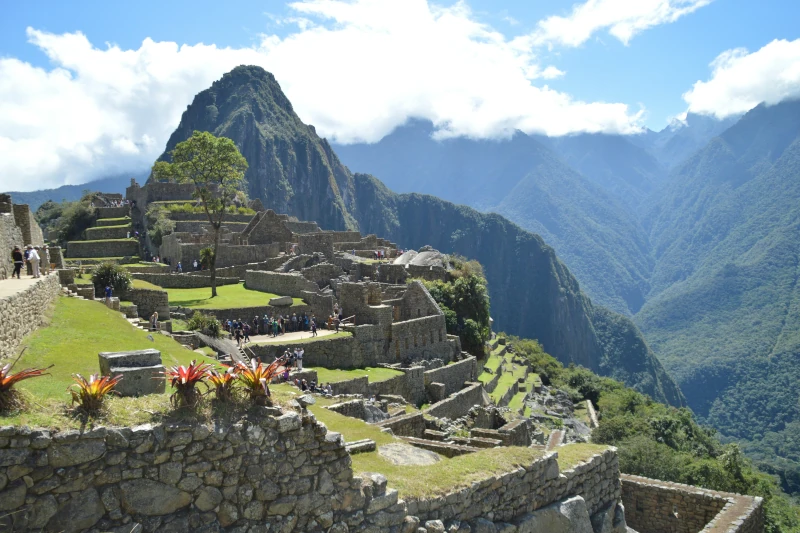
It combines access to the upper panoramic viewpoint with a structured descent into the central urban, ceremonial, and residential sectors of the citadel. Visitors walk through temples, plazas, water channels, and agricultural zones in a coherent interpretative flow.
Routes available:
2A – Classic Designed
2B – Classic Lower Terrace
Both provide a complete structural understanding of Machu Picchu’s layout, although minor viewpoint variations exist.
For first-time visitors, Circuit 2 usually offers the strongest architectural narrative. You see Machu Picchu not just as a scenic wonder, but as a functioning Inca city with hydraulic planning, astronomical alignment, and social hierarchy embedded in its design.
From an availability perspective, Circuit 2 is the most requested option globally. During peak dry season, it is often the first circuit to sell out, sometimes months in advance.
If your priority is a well-rounded experience rather than a mountain climb, Circuit 2 is typically the safest strategic choice.
Circuit 3 – The Lower Sector and Mountain Add-On Access
Circuit 3 focuses on the lower, more intimate sectors of the citadel. The panoramic upper terrace is limited or partially visible depending on the specific route.
However, Circuit 3 includes several mountain add-ons that appeal to physically active travelers.
Routes included:
3A – Huayna Picchu
3B – Lower Temples
3C – Temple of the Moon (Great Cavern)
3D – Huchuy Picchu
Route 3A provides access to the iconic Huayna Picchu ascent, a steep, stair-intensive climb with dramatic vertical views. Route 3C leads to the Temple of the Moon, a lesser-visited ceremonial cave complex. Route 3D offers a shorter, moderate climb to Huchuy Picchu.
This circuit is ideal for travelers combining archaeology with performance-based hiking. It demands more physical energy, particularly under humid or high-sun conditions.
It is not the most panoramic circuit overall, but it is the most physically engaging.
Quick Structural Comparison
| Circuit | Experience Focus | Physical Demand | Classic Photo Access | Demand in Dry Season |
|---|---|---|---|---|
| Circuit 1 | Elevated panoramic views | Moderate to High (with mountain routes) | Yes | High |
| Circuit 2 | Full architectural immersion | Low to Moderate | Yes | Very High |
| Circuit 3 | Lower sector + mountain climbs | Moderate to High | Partial | High |
Choosing Based on Traveler Profile
First-Time Visitor
If this is your only visit and you want a complete structural overview, Circuit 2A or 2B generally provides the most comprehensive balance between scenic views and archaeological immersion.
Photography-Focused Traveler
If your priority is the iconic Guardian House image, Circuit 1B with an early entry maximizes panoramic framing. During rainy season, morning fog can create dramatic atmospheric effects. During dry season, clearer skies increase structural visibility.
Adventure-Oriented Traveler
Huayna Picchu (3A) or Machu Picchu Mountain (1A) provide the most physically demanding experiences. These routes require good conditioning and advance booking.
Families with Children
Circuit 2B or 3B offer manageable walking flow without sustained mountain ascents. Steep mountain routes are generally not recommended for younger travelers.
Limited-Time Travelers
Circuit 2 with an early entry slot allows efficient coverage and smoother coordination with same-day return trains to Cusco.

Seasonal Influence on Ticket Behavior
Ticket demand fluctuates significantly across seasons.
During dry season, especially June, July, and August, Circuit 2 and mountain-inclusive routes sell out first. Booking one to three months in advance becomes necessary for preferred entry times.
During rainy season months, flexibility improves for standard circuits. However, Huayna Picchu and Machu Picchu Mountain remain limited year-round due to strict capacity caps.
Best Time to Visit Machu Picchu
Selecting your circuit before finalizing flights reduces itinerary risk during peak periods.
Physical Difficulty and Environmental Factors
When evaluating Machu Picchu ticket options, physical difficulty should never be reduced to elevation gain alone. In reality, perceived effort is shaped by several interacting variables. Stair density, humidity levels, sun exposure, and even crowd flow can significantly influence how demanding a route feels.
For example, even a moderate ascent can feel considerably harder under intense midday sun or high seasonal humidity. Therefore, understanding environmental context is just as important as reviewing the route description itself.
In general terms, low-intensity routes include Circuit 2B and 3B. These circuits follow structured archaeological paths with manageable stair sections and limited sustained climbs. As a result, they are typically more comfortable for families, older travelers, or visitors prioritizing interpretation over physical exertion.
By contrast, moderate-intensity routes include Circuit 1B and Huchuy Picchu. Although not extreme, they involve consistent elevation changes and steeper stair segments that require steady pacing.
At the highest level of difficulty, Huayna Picchu and Machu Picchu Mountain demand sustained climbing, narrow stair sections, and significant vertical gain. Consequently, these routes are best suited for physically prepared travelers with good balance and endurance.
In addition, altitude acclimatization in Cusco or the Sacred Valley plays a decisive role in overall comfort. Spending at least one or two days adjusting before your visit can noticeably reduce fatigue, breathlessness, and perceived strain regardless of circuit selection.
What Travelers Most Often Regret
Despite careful planning, certain patterns of regret appear repeatedly among visitors. Based on consistent local operational experience, these mistakes are rarely caused by lack of enthusiasm, but rather by incomplete information.
- Most commonly, travelers choose a circuit without realizing it excludes the classic panoramic viewpoint. As a result, expectations and reality do not align once inside the citadel.
- Similarly, some underestimate the physical intensity of mountain routes. While photos highlight breathtaking views, they often fail to communicate the sustained stair climbing required to reach them.
- Another frequent issue occurs when train tickets are purchased before confirming entry permits. Because Machu Picchu operates under strict capacity limits, entry availability should always dictate transportation scheduling, not the other way around.
- Finally, waiting too long during high-demand months significantly reduces flexibility. When Circuit 2 or mountain add-ons sell out, alternative routes may not match original expectations.
Fortunately, these mistakes are entirely avoidable with structured planning and informed circuit selection. - When all online ticket options are unavailable, travelers often search for alternatives. See what happens when Machu Picchu tickets are sold out.
Final Decision Framework
Ultimately, choosing the right Machu Picchu ticket option requires aligning expectations with structural realities. Instead of selecting based on popularity alone, a clearer framework improves decision quality.
Before confirming your ticket, consider the following questions carefully.
- First, do I want guaranteed access to the classic panoramic photo location?
- Second, am I physically prepared for sustained stair climbing, especially under sun exposure or humidity?
- Third, am I traveling during peak season when demand significantly limits availability?
- Fourth, how far in advance can I realistically secure permits?
Finally, am I traveling with children, seniors, or companions with mobility considerations?
By answering these questions honestly, you move from assumption to strategy. In turn, your ticket selection becomes intentional rather than reactive.
A well-evaluated decision does not simply grant entry. It ensures your experience inside Machu Picchu unfolds exactly as you expect.
Strategic Recommendation
Machu Picchu ticket options are not interchangeable. Each circuit defines a different interpretative and physical experience inside the citadel.
The correct choice aligns circuit structure, physical capacity, seasonal demand patterns, and train logistics.
Travelers who prefer structured coordination often integrate their tickets within a Machu Picchu 1 Day Tour from Cusco or a Private Machu Picchu Tour to synchronize entry times with rail schedules and guide services.
A well-selected ticket does more than grant entry. It shapes the narrative, rhythm, and depth of your visit.
FAQs
Which Machu Picchu ticket option is best for first-time visitors?
Circuit 2 is generally the most balanced option because it includes both the classic panoramic viewpoint and the central archaeological sectors.
Does every Machu Picchu ticket include the classic postcard photo?
No. Some Circuit 3 routes do not include full access to the Guardian House panoramic viewpoint. Always verify your selected circuit before booking.
What is the hardest Machu Picchu ticket option?
Huayna Picchu (Route 3A) and Machu Picchu Mountain (Route 1A) are the most physically demanding due to steep stair sections and elevation gain.
How far in advance should I book Machu Picchu ticket options?
During dry season months, especially June to August, booking 1 to 3 months in advance is recommended for Circuit 2 and mountain routes.
Can I change circuits after entering Machu Picchu?
No. Once inside, switching circuits or backtracking is not allowed.