
Hiking Rainbow Mountain Peru is a high-altitude experience that demands preparation, pacing, and realistic expectations.
At over 5,000 meters above sea level, the challenge is not technical terrain — it is oxygen reduction, early departure time, and physical adaptation.
If you are planning your visit and want to understand what the hike actually feels like, this guide explains the real experience step by step.
If you are still researching the destination itself, you can review our complete Vinicunca Rainbow Mountain Peru travel guide before focusing on the trekking details.
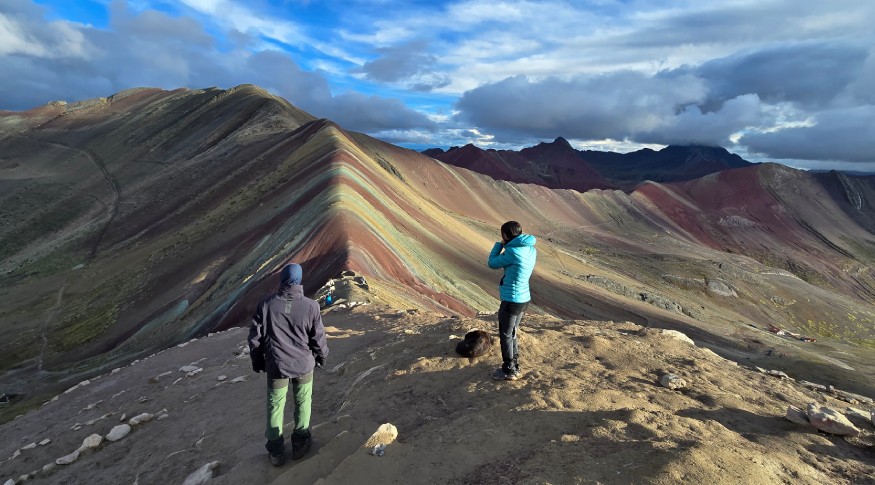
The Reality of Hiking at 5,000+ Meters
Rainbow Mountain reaches approximately 5,036 meters (16,522 ft). At this elevation, oxygen levels are significantly lower than in Cusco.
Even travelers in good physical condition may experience:
- Faster breathing
- Increased heart rate
- Mild headache
- Early fatigue
- Slower walking pace
The key is rhythm, not speed.
Walking slowly, stopping every 10–15 minutes, and maintaining steady breathing makes a major difference in comfort.
Because pacing is essential, many travelers prefer joining a structured Vinicunca Rainbow Mountain tour from Cusco, where guides control timing and monitor altitude adaptation.
How Difficult Is the Rainbow Mountain Hike?
The hike is considered moderate to challenging due to altitude rather than terrain.
Key Facts:
- 1.5–2 hours uphill
- Approx. 4 km round trip
- Gradual but constant incline
- Dirt trail with rocky sections
The final 20–30 minutes feel steeper because oxygen levels drop further as you gain elevation.
Unlike multi-day treks, this hike is short but intense. It is a physical effort concentrated in a high-altitude window.
What the Hike Actually Feels Like
Many visitors expect a simple walk with colorful scenery. The reality is different.
At high altitude:
- Small slopes feel steeper
- Sun exposure feels stronger
- Breathing requires focus
- Cold wind can shift quickly
Early morning temperatures are low. Gloves and thermal layers are recommended at departure.
By mid-morning, the sun becomes intense, especially during dry season.
Before planning your hiking day, reviewing current Rainbow Mountain weather conditions helps set proper expectations.
Acclimatization Strategy: How to Prepare Properly
The most common mistake travelers make is attempting the hike too soon after arriving in Cusco.
Recommended approach:
- Spend 1–2 nights acclimatizing
- Consider visiting the Sacred Valley first (lower altitude)
- Stay hydrated
- Avoid alcohol before the hike
Gradual adaptation reduces altitude discomfort significantly.
Travelers who rush the process often experience unnecessary fatigue.
Are Horses Available?
Yes. Local communities offer horses at the trailhead.
Important details:
- Horses assist with most of the ascent
- The final viewpoint must be reached on foot
- Payment is arranged directly with handlers
This option is useful for travelers concerned about energy levels or mild altitude sensitivity.
What to Pack for Rainbow Mountain
Preparation determines comfort.
Essential Items:
- Thermal base layer
- Warm jacket
- Waterproof layer
- Hiking shoes with grip
- Hat and sunglasses
- Sunscreen (UV is strong at 5,000 m)
- Reusable water bottle
- Light snacks
- Walking sticks (recommended)
Mountain weather can shift rapidly, even during dry season.
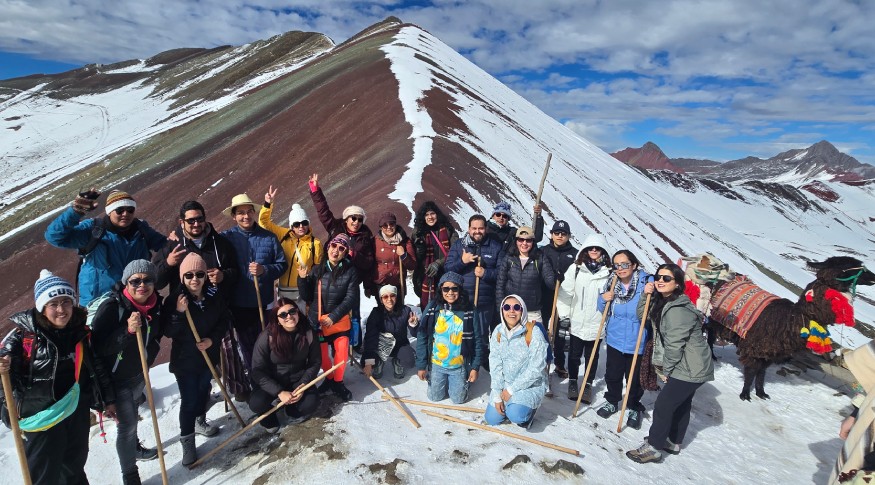
Private Tour vs Group Tour: What to Expect
Understanding logistics affects the experience significantly.
Group Tour
Early fixed departure
Shared transportation
Faster group pace
Shorter summit time
Private Tour (More Controlled Experience)
Flexible departure
Slower pace
Personalized altitude breaks
More photography time
Greater comfort
For travelers prioritizing safety and pacing, booking a guided Rainbow Mountain tour from Cusco provides logistical clarity and structured support.
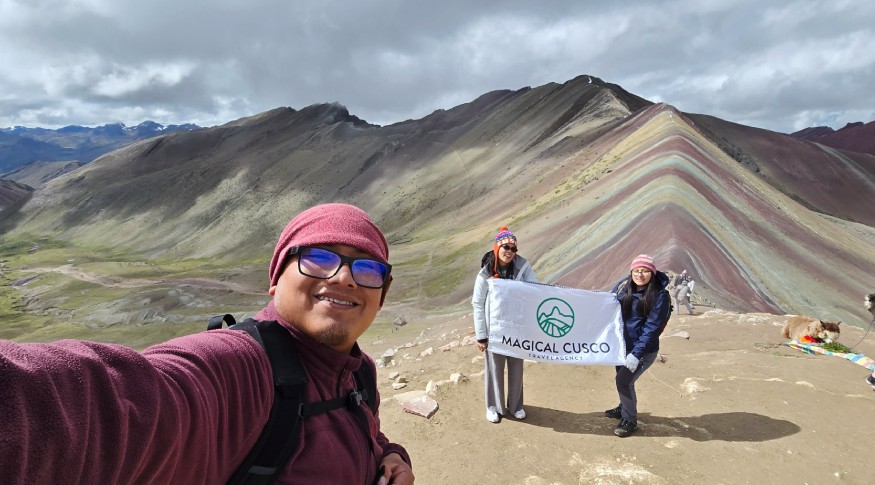
Is a Guided Tour Worth It?
For first-time visitors, yes.
Professional tours include:
- Transportation coordination
- Local guide familiar with altitude management
- Controlled hiking rhythm
- Emergency readiness
Travelers looking for maximum comfort often choose a private Vinicunca Rainbow Mountain tour experience to minimize stress and maximize safety.
Rainbow Mountain vs Humantay Lake: Physical Comparison
Both are high-altitude hikes, but the physical sensation differs.
Rainbow Mountain:
- Higher elevation
- Shorter hike
- Stronger altitude impact
Humantay Lake:
- Slightly lower altitude
- Longer steady climb
- Easier breathing overall
If altitude is your main concern, Humantay can be a softer first experience before attempting Vinicunca.
Final Thoughts: What You Should Really Expect
Expect:
- Thin air
- Cold early temperatures
- Physical effort
- Stunning panoramic views
- A strong sense of accomplishment
Hiking Rainbow Mountain Peru is demanding but deeply rewarding when approached with preparation and realistic pacing.
Those who acclimatize properly and plan their logistics carefully experience the trek safely and comfortably.
Ready to experience the colors of Vinicunca safely and at the right pace? Discover our professionally guided Vinicunca Rainbow Mountain tour from Cusco and hike with expert local support.
FAQs
How hard is the Rainbow Mountain hike?
The hike is moderate to challenging due to its altitude of over 5,000 meters, not because of technical terrain. Most travelers complete the uphill walk in 1.5 to 2 hours.
Can beginners hike Rainbow Mountain?
Yes, beginners can complete the hike if properly acclimatized and walking at a slow pace. Spending 1–2 days adapting to altitude before the trek is highly recommended.
How long does it take to hike Rainbow Mountain?
The total hiking time is approximately 3 to 4 hours round trip, depending on pace and weather conditions
Is altitude sickness common at Rainbow Mountain?
Mild altitude symptoms such as headaches or fatigue can occur due to the extreme elevation. Proper acclimatization significantly reduces the risk.
Are horses available during the hike?
Yes, horses are available at the trailhead for most of the ascent. The final section to the viewpoint must be completed on foot.
Karen Pamela Riveros Rojas
