
Every September, the ancient esplanade of Sacsayhuamán becomes the setting for one of the most symbolic Inca ceremonies still performed today: the Warachikuy Festival.
Unlike larger and more commercial events such as Inti Raymi, Warachikuy preserves a deeper educational and cultural purpose. It represents the Inca rite of passage in which young noble men proved their physical strength, discipline, and loyalty before becoming full members of society.
Today, this powerful reenactment continues to be celebrated in Cusco, not only as a historical performance but as a living transmission of Andean identity.
The Historical Meaning of Warachikuy
In the Inca Empire, Warachikuy was not simply a celebration ,it was a state ritual.
Young men from noble Inca lineages underwent a series of demanding physical and symbolic trials designed to evaluate:
- Endurance
- Speed
- Strength
- Courage
- Moral discipline
Only those who succeeded received the “wara,” a ceremonial garment symbolizing adulthood and readiness for military or administrative responsibility.
The ritual reinforced social hierarchy and loyalty to the Sapa Inka. Chroniclers such as Felipe Guamán Poma de Ayala documented Warachikuy as a structured civic ceremony central to the political order of Tahuantinsuyo.
This was not folklore , it was governance.
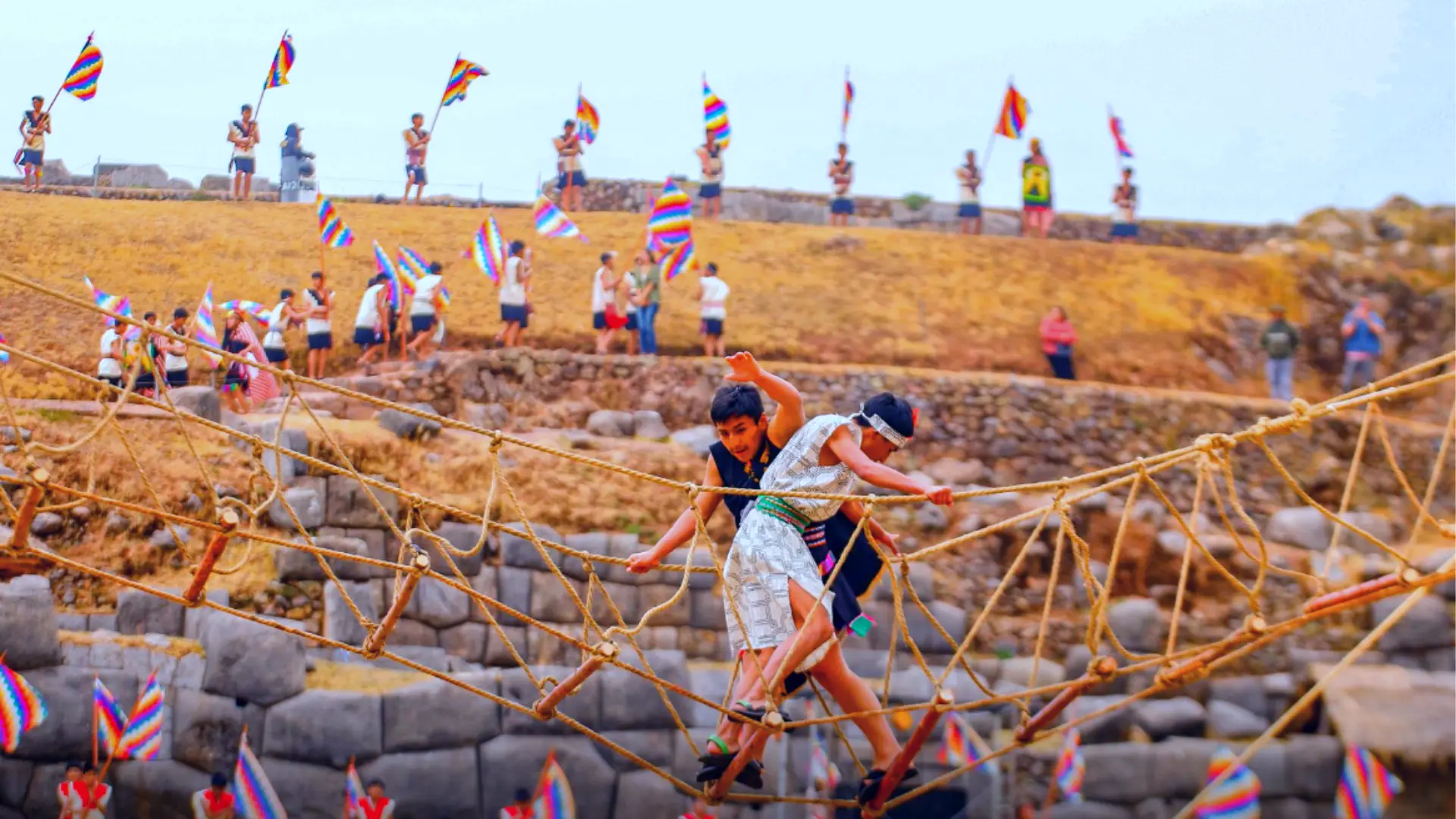
Why Warachikuy Is Different from Inti Raymi
Many travelers confuse Warachikuy with Inti Raymi. However, the two ceremonies differ significantly.
Inti Raymi:
- Celebrates the Sun God
- Occurs in June
- Focused on cosmic renewal
Warachikuy:
- Celebrates transition to adulthood
- Occurs in September
- Focused on social structure and military readiness
Understanding this difference gives travelers deeper insight into Inca society beyond the typical tourist narrative.
Where and When Is Warachikuy Celebrated?
Warachikuy takes place every September (typically mid-month) in Cusco, with the main performance held at the Sacsayhuamán archaeological complex.
The ceremony usually begins in the historic center before moving to Sacsayhuamán, where thousands of students participate in choreographed reenactments.
Key practical details travelers should know:
- The event is public
- It may require early arrival due to crowds
- It typically lasts several hours
- Weather in September is dry season (ideal conditions)
- the guided tour Cusco City Tour including Sacsayhuamán
If you are traveling to Cusco in September, checking exact dates in advance is essential.
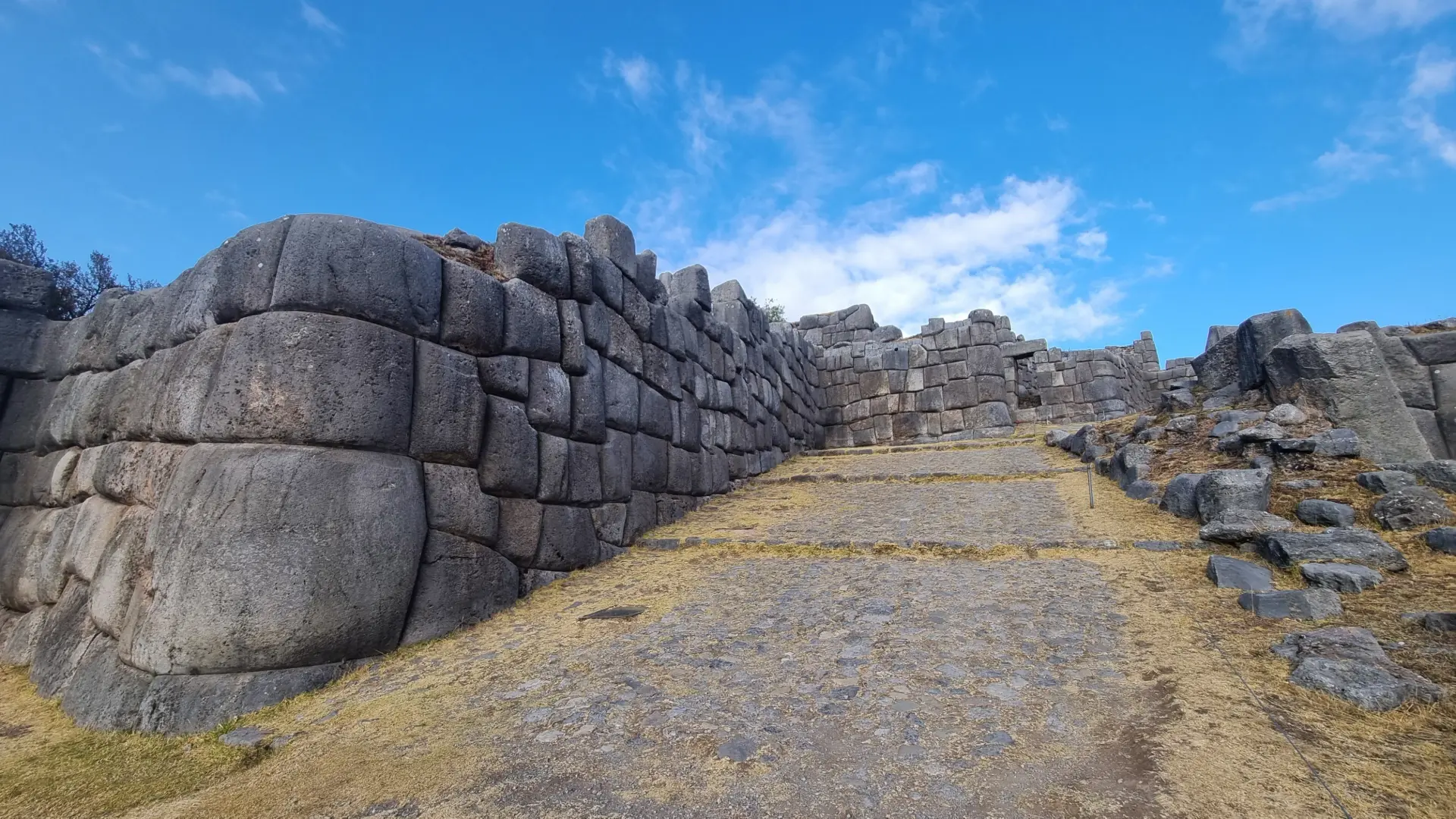
Warachikuy as Living Cultural Education
Since 1968, the Glorioso Colegio Nacional de Ciencias has played a central role in preserving Warachikuy.
This is not merely a tourism show — it is an educational act. Students train for months to perform the ritual with historical accuracy and symbolic respect.
The revival of Warachikuy reinforces:
- Indigenous identity
- Historical continuity
- Cultural pride among younger generations
For visitors, witnessing the Warachikuy offers a unique opportunity to observe cultural transmission in action and explore the Sacred Valley of the Incas.
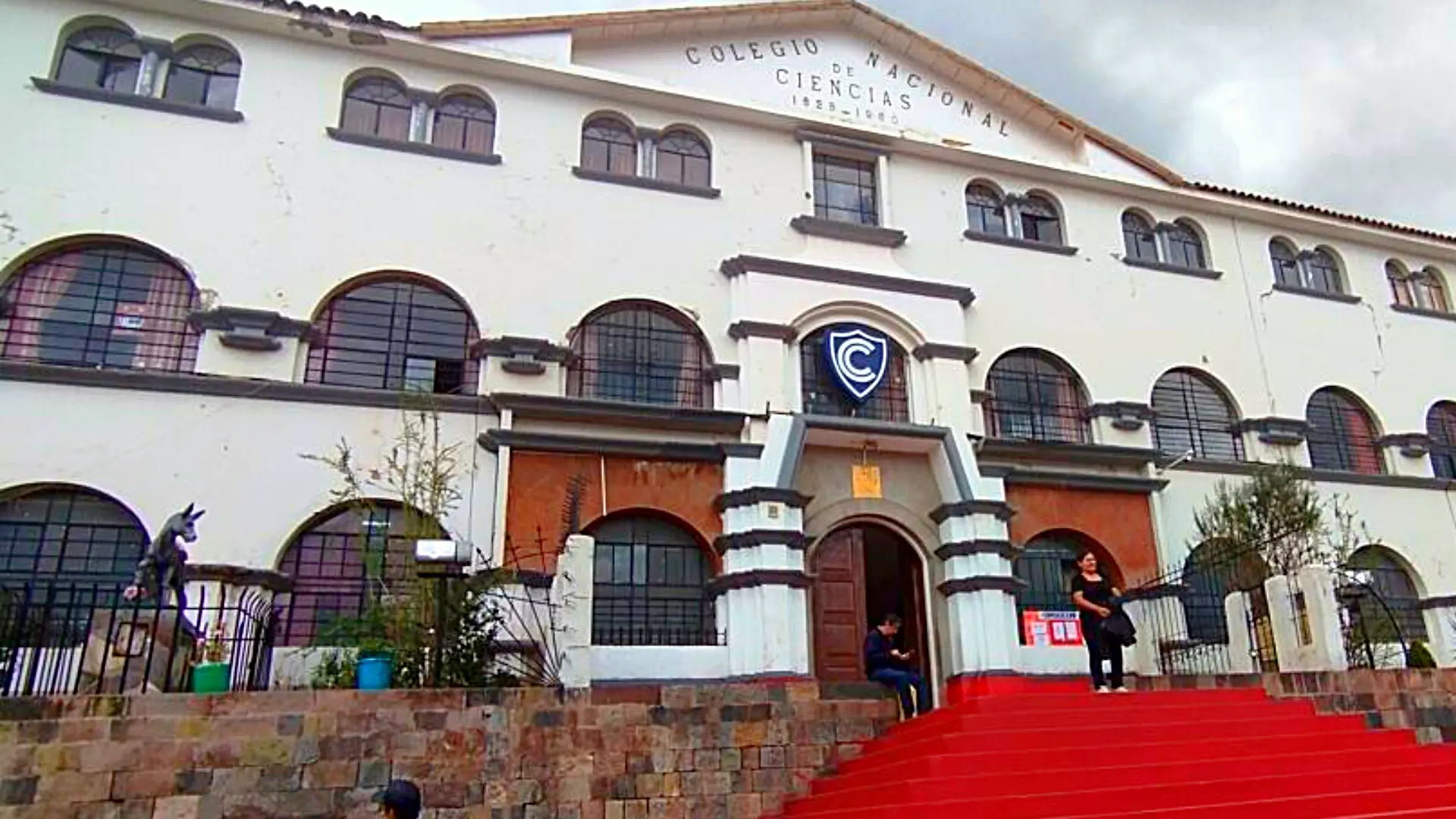
Can Travelers Attend Warachikuy?
Yes. Warachikuy is open to the public.
However, travelers should consider:
- Transportation logistics to Sacsayhuamán
- Crowd management
- Weather conditions
- Time planning within their itinerary
Many visitors combine attendance with:
- A Cusco City Tour
- A Sacsayhuamán cultural visit
- A Sacred Valley extension
- A Machu Picchu itinerary before or after
September is one of the best months to travel in Cusco due to dry season conditions and fewer crowds than peak July.
Why Warachikuy Matters for Travelers
For travelers interested in more than photographs, Warachikuy provides insight into:
- Inca governance systems
- Social hierarchy
- Andean worldview
- The role of education in cultural preservation
It transforms Cusco from a sightseeing destination into a living historical environment.
Warachikuy and Cultural Tourism in Cusco
Warachikuy is not only a historical reenactment , it is part of what defines cultural tourism in Cusco today. Travelers seeking deeper understanding of Inca traditions often complement this festival with guided cultural tours in Cusco, including Sacsayhuamán, Qorikancha, and lesser-known ceremonial sites.
Experiencing Warachikuy with historical context transforms a simple visit into a meaningful cultural journey.
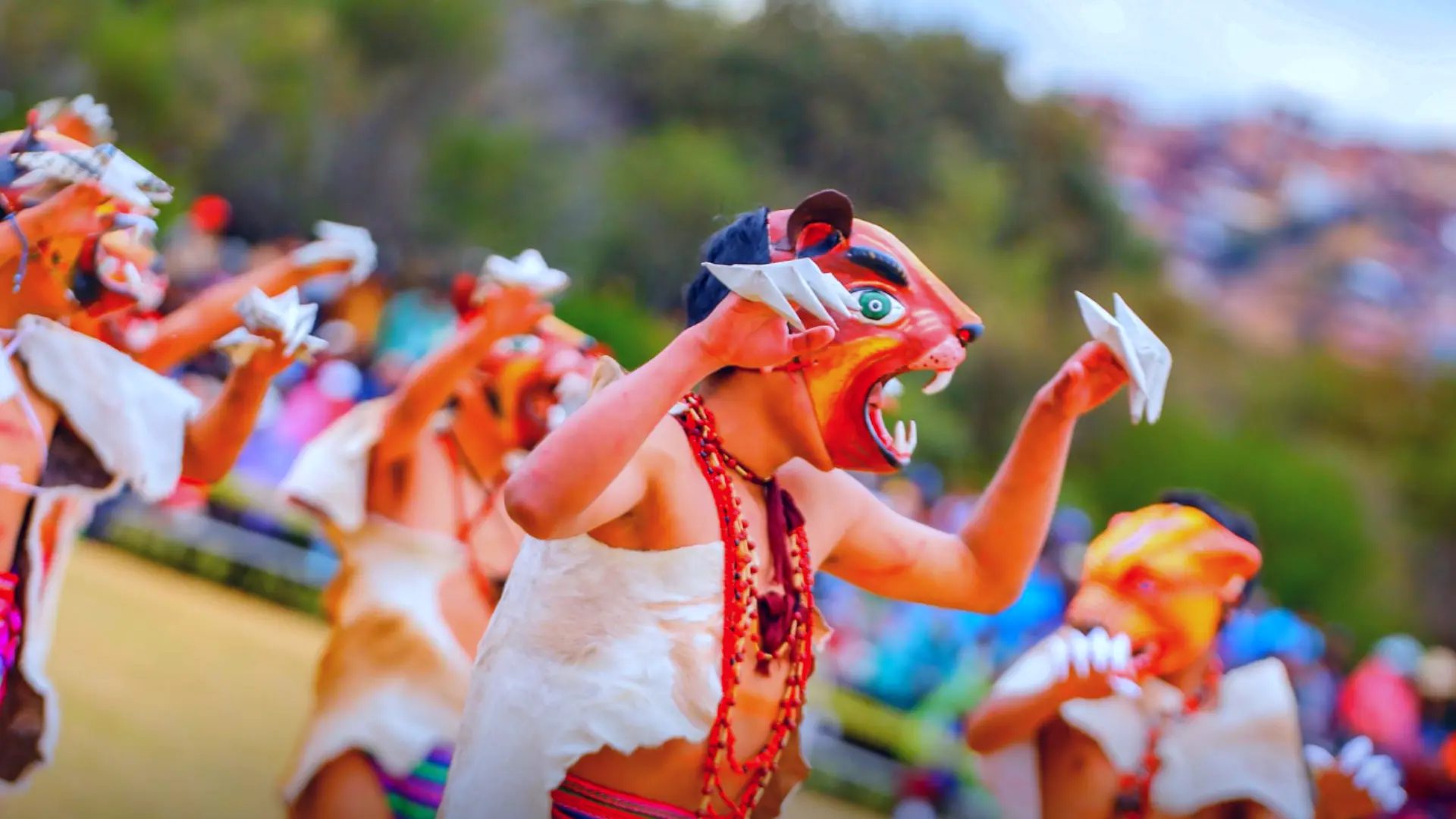
Strategic Transition to Services
If your trip to Cusco coincides with September, attending Warachikuy can enrich your cultural understanding before exploring major sites such as:
- Sacsayhuamán
- Qenqo
- The Sacred Valley
- Machu Picchu
Combining the festival with a guided cultural tour allows you to contextualize what you witness, rather than seeing it as an isolated performance.
A knowledgeable local guide can explain the symbolism of the trials, garments, and choreography in ways that independent visitors often miss.
FAQs
When is the Warachikuy Festival celebrated in Cusco?
Warachikuy takes place every September, usually in mid-month. Exact dates may vary slightly each year, so checking the official schedule before traveling is recommended.
Where does the Warachikuy ceremony take place?
The main reenactment occurs at the Sacsayhuamán esplanade, although initial activities often begin in Cusco’s historic center.
Is Warachikuy free to attend?
Yes. Warachikuy is a public cultural event, and visitors can attend without purchasing a ticket. However, early arrival is recommended due to crowds.
What is the difference between Warachikuy and Inti Raymi?
Inti Raymi celebrates the Sun God and takes place in June. Warachikuy, held in September, reenacts the Inca rite of passage from adolescence to adulthood.
Can I combine Warachikuy with a Cusco cultural tour?
Yes. Many travelers combine the festival with a Cusco City Tour or a Sacred Valley visit to better understand Inca history and symbolism.
Is Warachikuy worth seeing for travelers?
For travelers interested in Inca culture, Andean traditions, and living heritage, Warachikuy offers a unique perspective beyond Machu Picchu.
Karen Pamela Riveros Rojas
